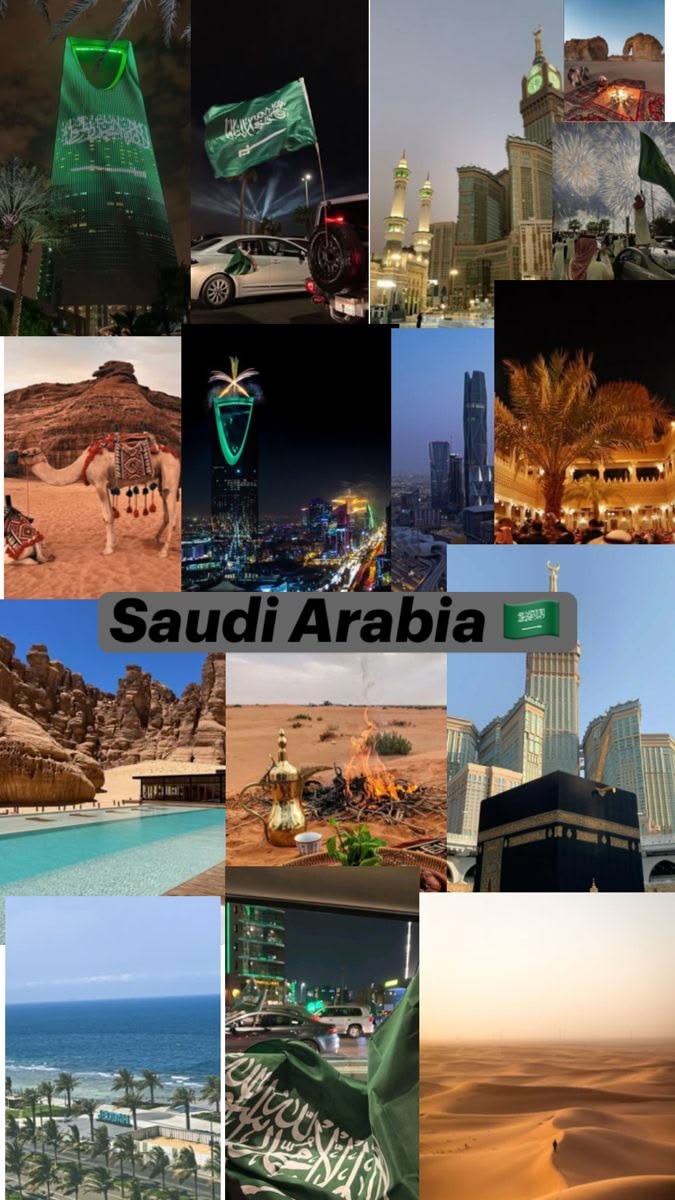
Saudi Arabia offers a wide range of travel experiences, from sacred cities and historic landmarks to dramatic desert landscapes, mountain retreats, modern cities and Red Sea escapes. Whether you are travelling for Umrah, planning a family holiday, seeking cultural experiences, or exploring the Kingdom for the first time, destinations suit different interests and travel styles.
Makkah and Madinah are central to spiritual journeys, while AlUla attracts travellers interested in archaeology and desert scenery. Riyadh offers a modern city experience, Jeddah combines coastal attractions with historic culture, and destinations such as Aseer, Taif, and the Red Sea offer mountains, nature, and resort experiences.
No single destination suits every traveller. The ideal choice depends on your reason for travelling, available time, preferred activities, budget and the type of experience you want from your trip.
Saudi Arabia at a Glance
These suggested stay lengths help with initial planning, but the right number of nights depends on your itinerary, travel pace, and activities.
| Destination | Best For | Main Experience | Suggested Stay |
| Makkah | Umrah and spiritual travel | Worship and Islamic heritage | 3–7 days |
| Madinah | Spiritual and cultural travel | Prophetic history and reflection | 2–4 days |
| AlUla | History and luxury | Archaeology and desert landscapes | 2–4 days |
| Riyadh | City breaks | Culture, dining and entertainment | 2–4 days |
| Jeddah | Coast and culture | Red Sea, Al-Balad and dining | 2–3 days |
| Abha and Aseer | Nature and mountains | Scenic landscapes and heritage | 2–4 days |
| Red Sea | Luxury and beach travel | Islands, diving and resorts | 2–4 days |
| Taif | Families and short escapes | Mountains, gardens and rose culture | 1–2 days |
1. Makkah Al-Mukarramah
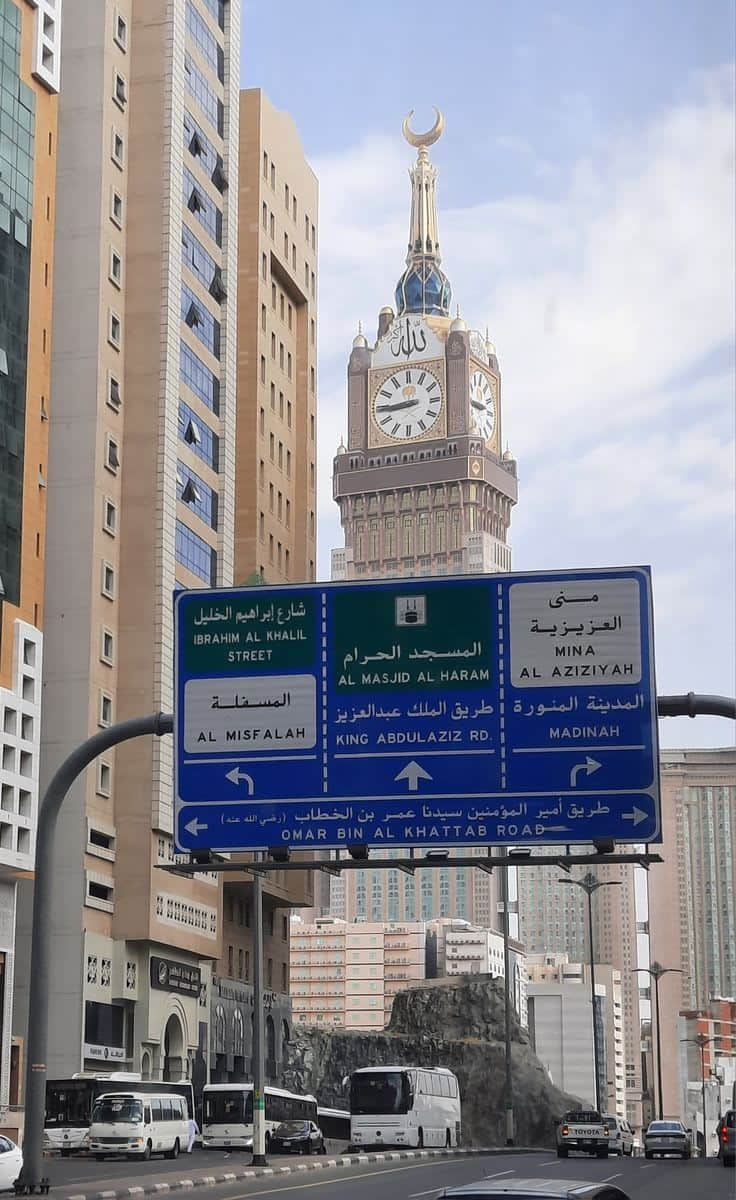
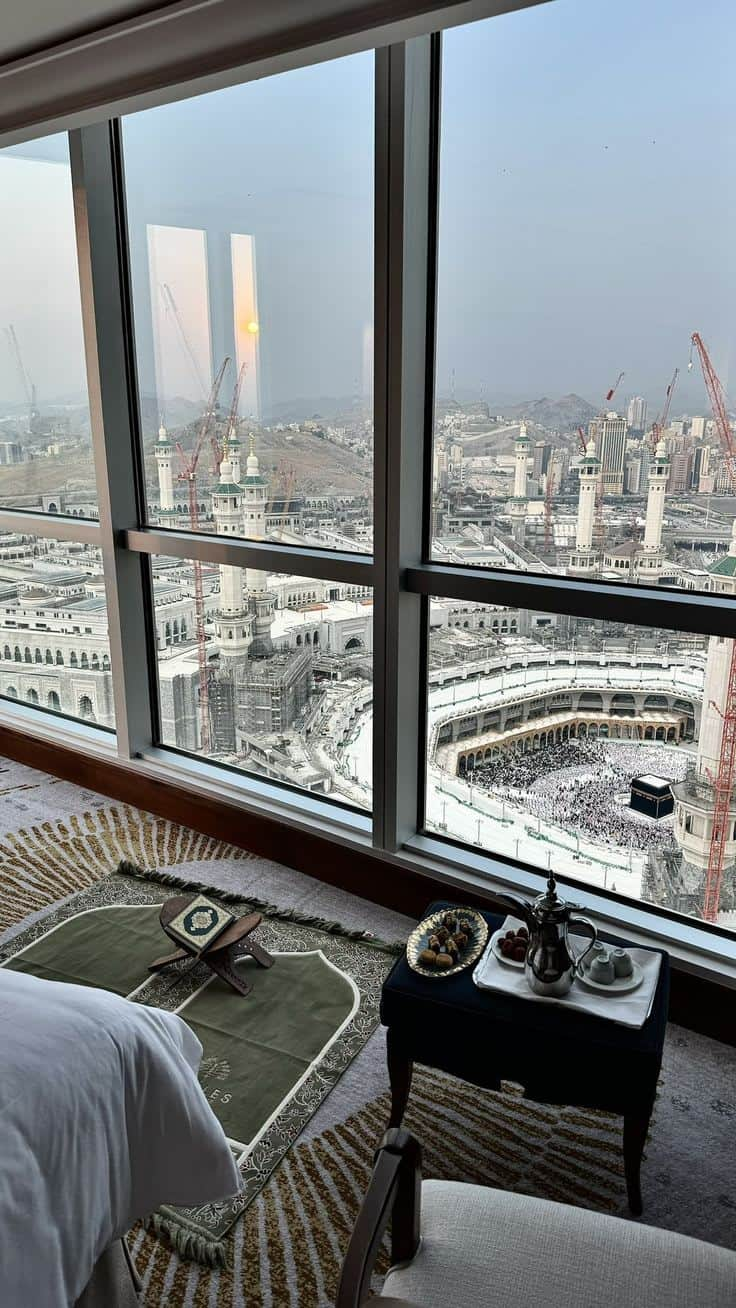
Makkah is one of Saudi Arabia's most significant destinations for Muslim travellers. The city is home to Al-Masjid Al-Haram and the Holy Kaaba, making it central to both Umrah and Hajj.
For pilgrims, Makkah is different from a conventional leisure destination. The experience is primarily centred around worship, prayer, spiritual reflection and visiting places connected with Islamic history. For that reason, a well-planned Makkah itinerary should leave enough time for rest and worship, rather than trying to fit in too much sightseeing.
Places to Visit in Makkah
- Al-Masjid Al-Haram: The Holy Mosque is Makkah's central spiritual destination and surrounds the Holy Kaaba.
- The Holy Kaaba: The Kaaba is the focal point of Muslim worship and the direction Muslims pray toward.
- Jabal Al-Noor: This historic mountain is associated with the Cave of Hira and is an important site for visitors interested in Islamic history.
- Hira Cultural District: This destination provides a cultural and historical experience connected with the heritage surrounding Jabal Al-Noor.
- Jabal Thawr: This historic mountain is associated with the early Islamic period and is another important location for visitors exploring Makkah's history.
- Arafat: The plain of Arafat is one of the major sites associated with Hajj and holds deep religious significance.
- Mina: Mina is an important pilgrimage site visited during the Hajj rites.
- Muzdalifah: Muzdalifah is another major pilgrimage location associated with the Hajj journey.
- Clock Tower Museum: The museum lets visitors explore aspects of the Clock Towers complex and its surroundings.
- King Abdulaziz Complex for the Holy Kaaba Kiswa: The complex provides insight into the craftsmanship involved in producing the covering of the Holy Kaaba.
The Kiswa Complex is especially relevant for visitors interested in the history and craftsmanship behind the Kaaba's covering.
Who Should Consider Makkah
- Umrah travellers: Makkah is essential for visitors whose primary purpose is performing Umrah.
- Hajj pilgrims: The city is central to the Hajj pilgrimage and its associated religious sites.
- Spiritual travellers: Visitors focused on worship, reflection and Islamic heritage may prefer spending more time in Makkah.
- Families: Families can plan their stay around prayer, rest and convenient access to the Haram.
- Visitors interested in Islamic history: The surrounding historical and religious sites offer opportunities to learn more about the region's heritage.
Makkah Planning Tip
Plan your days around prayer times, worship, rest and practical access to the Haram. A slower schedule is often more manageable than trying to combine extensive sightseeing with a demanding pilgrimage routine.
2. Madinah Al-Munawwarah
Madinah offers a more reflective travel experience centred around Al-Masjid An-Nabawi and locations connected with the Prophet Muhammad ﷺ and the early history of Islam. The city is an important destination for spiritual and cultural travel, with historic mosques, pilgrimage landmarks and sites associated with Islamic heritage.
Places to Visit in Madinah
- Al-Masjid An-Nabawi: The Prophet's Mosque is Madinah's central spiritual landmark and one of the most important destinations for Muslim visitors.
- Al-Rawdah Al-Sharifah: This highly significant area within the Prophet's Mosque attracts pilgrims who wish to visit it as part of their spiritual journey.
- Quba Mosque: One of the historic mosques associated with the early Islamic period.
- Qiblatayn Mosque: This mosque is connected with an important event in Islamic history involving the change of the prayer direction.
- Mount Uhud: Associated with the Battle of Uhud and an important historical connection to the early Muslim community.
- Uhud Martyrs' Cemetery: This site is connected with those who died during the Battle of Uhud.
- Miqat Dhu Al-Hulayfah: An important miqat location for pilgrims travelling from Madinah toward Makkah.
- Prophet's Biography Museum: The museum provides a cultural and educational experience focused on the life and heritage of the Prophet Muhammad ﷺ.
Who Should Consider Madinah
- Spiritual travellers: Madinah offers an environment focused on worship, reflection and religious heritage.
- Families: Families can combine mosque visits with cultural and historical experiences.
- Islamic history enthusiasts: The city offers access to sites linked to key periods in Islamic history.
- Cultural travellers: Visitors interested in Saudi heritage can explore the city's religious and historical landmarks.
Madinah Planning Tip
Check the latest official arrangements before visiting areas where permits, reservations or specific procedures may apply, particularly for access to Al-Rawdah.
3. AlUla
AlUla offers one of Saudi Arabia's most distinctive travel experiences, combining archaeological sites, dramatic rock formations, oasis landscapes, cultural attractions, and luxury hospitality. The region is especially appealing to visitors interested in ancient history and desert scenery. Hegra, recognised as Saudi Arabia's first UNESCO World Heritage Site, is one of the area's most important attractions.
Top Places to Visit in AlUla
- Hegra: Hegra is a major archaeological destination known for its ancient Nabataean heritage and distinctive rock-cut sites.
- Elephant Rock: This naturally formed rock is one of AlUla's most recognisable landscapes and is a popular stop for photography.
- AlUla Old Town: The old town offers a chance to explore the area's historic settlement and cultural heritage.
- Maraya: Maraya is a striking mirrored cultural venue set against AlUla's desert landscape.
- AlUla Oasis: The oasis highlights the region's natural environment and its long connection with agriculture and settlement.
- Dadan: Dadan offers visitors insight into the ancient civilisations that once developed in the AlUla region.
- Jabal Ikmah: This historic site is known for inscriptions and archaeological heritage.
Why Visit AlUla
- Ancient heritage: AlUla provides access to archaeological sites connected with centuries of regional history.
- Desert landscapes: The dramatic rock formations and open landscapes make the region particularly distinctive.
- Luxury accommodation: AlUla offers a range of premium hospitality experiences for travellers seeking a more upscale stay.
- Cultural experiences: Visitors can combine historical attractions with contemporary cultural experiences.
- Outdoor activities: Hiking, desert exploration and other outdoor experiences can form part of an AlUla itinerary.
- Stargazing: The region's desert setting offers opportunities to observe the night sky.
Who Should Consider AlUla
- History lovers: The destination suits travellers interested in archaeology and ancient civilisations.
- Couples: AlUla offers a scenic setting for a more private, experience-focused trip.
- Luxury travellers: The destination combines heritage attractions with high-end accommodation and hospitality.
- Photographers: Its rock formations, desert settings and cultural sites offer distinctive visual opportunities.
- Adventure seekers: Travellers interested in outdoor activities can build excursions around the area's natural landscapes.
AlUla Travel Tip
Outdoor activities are generally more comfortable during cooler parts of the day. October to April is a key season for Hegra experiences, so planning ahead can help during busy periods.
4. Riyadh
Riyadh provides a very different experience from Saudi Arabia's sacred and heritage destinations. The capital combines modern architecture, restaurants, shopping, entertainment, museums and historic attractions. It's a strong choice for travellers who want to experience contemporary Saudi Arabia while still exploring key elements of the Kingdom's history and culture.
Places to Explore in Riyadh
- Diriyah: This historic area offers visitors a chance to explore Saudi heritage and one of the Kingdom's best-known cultural destinations.
- Kingdom Centre: The landmark tower is one of Riyadh's most recognisable architectural features.
- National Museum: The museum offers visitors an overview of Saudi Arabia's history, culture and heritage.
- Masmak Fortress: This historic fortress is an important part of Riyadh's heritage and offers insight into the city's past.
- Boulevard City: This entertainment destination provides restaurants, attractions, shopping and leisure experiences.
- Riyadh's cultural districts: The city's wider cultural and entertainment areas provide additional opportunities for dining, events and urban experiences.
Who Should Consider Riyadh
- City break travellers: Riyadh provides a convenient setting for a short urban holiday.
- Families: The city offers a range of entertainment, dining and indoor activity options.
- Shopping enthusiasts: Travellers can explore shopping centres, retail destinations and entertainment districts.
- Business travellers: Riyadh is Saudi Arabia's capital and an important destination for business travel.
- Culture seekers: Visitors can combine modern experiences with museums and historic attractions.
Riyadh Travel Tip
Riyadh works particularly well as part of a wider Saudi itinerary, allowing travellers to combine city experiences with destinations such as AlUla or Jeddah.
5. Jeddah
Jeddah brings together Red Sea experiences, historic architecture, restaurants, waterfront attractions and a lively urban atmosphere. The city can also be a practical addition to a western Saudi Arabia itinerary, especially for travellers combining a visit to Jeddah with Makkah.
Places to Visit in Jeddah
- Historic Al-Balad: This heritage district lets visitors explore traditional architecture, historic streets, and the cultural character of old Jeddah.
- Jeddah Corniche: The Corniche provides a waterfront setting for walks, views and leisure time.
- Jeddah Waterfront: The waterfront area offers additional recreational and coastal experiences.
- King Fahd Fountain: This landmark is one of the city's best-known coastal attractions.
- Red Sea experiences: Visitors can explore a range of activities connected with Jeddah's location on the Red Sea.
- Traditional markets: Local markets offer opportunities to explore regional products, food, and culture.
Why Visit Jeddah
- Historic character: Jeddah blends traditional architecture with modern city life.
- Coastal atmosphere: Its Red Sea location gives the city a different feel from inland destinations.
- Dining: Visitors can find a broad range of restaurants and cafés across the city.
- Family activities: Jeddah offers attractions suitable for different age groups and travel styles.
- Convenient western itinerary: The city pairs well with Makkah for travellers exploring western Saudi Arabia.
Who Should Consider Jeddah
- Families: The city combines coastal attractions, dining and recreational experiences.
- Couples: Jeddah offers restaurants, waterfront experiences and cultural attractions.
- Food lovers: The city provides a wide range of dining options and local flavours.
- Beach travellers: Its location provides access to Red Sea experiences.
- Weekend travellers: Jeddah can work well for a shorter city and coastal break.
6. Abha and Aseer
Aseer offers a different side of Saudi Arabia with mountain scenery, greener landscapes, traditional architecture and outdoor experiences. The region can be particularly appealing for visitors who want to move away from large urban centres and experience a more mountainous environment.
Places to Explore in Aseer
- Abha: The regional city provides access to mountain landscapes, parks, viewpoints and local cultural experiences.
- Al Soudah: This mountain area is known for its elevated scenery and outdoor environment.
- Rijal Almaa: The historic village is known for its traditional architecture and heritage character.
- Aseer National Park: The park offers opportunities to experience the region's natural landscapes.
- Habala: This historic mountain settlement provides an unusual cultural and scenic experience.
- Abu Kheyal Park: The park provides a green setting and views over parts of Abha.
Why Visit Aseer
- Mountain scenery: The region provides landscapes that differ significantly from Saudi Arabia's desert and coastal destinations.
- Outdoor activities: Visitors can add hiking, viewpoints, and nature experiences to their itinerary.
- Traditional architecture: Heritage villages provide insight into the region's distinctive building styles and history.
- Different seasonal climate: Aseer can provide a cooler alternative during periods when other parts of the Kingdom are warmer.
- Scenic viewpoints: Mountain locations provide opportunities to enjoy wide views across the surrounding landscape.
Who Should Consider Aseer
- Nature lovers: The region suits travellers looking for mountain scenery and green landscapes.
- Families: Parks, viewpoints, and accessible attractions can work well for family trips.
- Adventure travellers: Outdoor activities and mountain environments provide opportunities for exploration.
- Summer travellers: Aseer offers a different climate and setting than many lower-altitude destinations.
7. The Red Sea
Saudi Arabia's Red Sea destinations offer a more coastal and resort-focused travel experience. The region combines beaches, islands, marine activities, luxury resorts and dramatic desert and mountain landscapes. Visit Saudi highlights experiences in areas such as Shura Island, Desert Rock, and Shebara, along with diving, yachting, marine activities, and luxury hospitality.
What Can You Experience Along the Red Sea
- Luxury beachfront resorts: Travellers can choose from premium coastal accommodation designed around relaxation and resort experiences.
- Diving: The Red Sea provides opportunities for travellers interested in underwater experiences and marine environments.
- Sailing and yachting: Visitors can explore the coast by boat and through other marine activities.
- Island experiences: Selected destinations provide access to islands and secluded coastal environments.
- Marine wildlife: The Red Sea offers opportunities to experience marine ecosystems and wildlife.
- Desert and sea landscapes: The combination of mountains, desert and coastline creates a distinctive setting.
Who Should Consider the Red Sea
- Luxury travellers: The region is particularly relevant to visitors seeking premium resorts and private coastal experiences.
- Couples: Beaches, resorts and marine activities can create a more relaxed couples' itinerary.
- Beach travellers: The destination provides a different holiday experience from Saudi Arabia's inland cities.
- Diving enthusiasts: Travellers interested in underwater activities can build a trip around marine experiences.
Red Sea Travel Tip
You can visit the Red Sea in different seasons, but weather and water conditions vary depending on the activity. October to April generally offers milder conditions, while summer can bring warmer temperatures and different travel patterns.
8. Taif
Taif is a mountain destination known for its gardens, scenic landscapes, rose-growing heritage and relatively cooler environment compared with many lower-altitude cities.
It can work well as a short escape or as part of a larger western Saudi Arabia itinerary.
Places to Explore in Taif
- Al Hada: This mountain area is known for scenic views and winding roads through the surrounding landscape.
- Al Shafa: The area offers mountain scenery and a quieter environment away from the city.
- Rose farms and factories: Taif's rose-growing heritage is an important part of the area's cultural identity.
- Cable car experiences: Visitors can enjoy elevated views of the surrounding mountain environment.
- Traditional markets: Local markets provide opportunities to explore regional products and traditional culture.
Who Should Consider Taif
- Families: The mix of parks, mountain scenery, and short activities suits family travel.
- Nature lovers: Travellers can enjoy gardens, mountain views and scenic surroundings.
- Couples: Taif offers a quieter alternative to larger urban destinations.
- Short trip travellers: Its location makes it suitable for a brief getaway or an additional stop on a western itinerary.
Which Saudi Destination Should You Choose
The right destination depends largely on what you want from the trip.
| Travel Interest | Destinations to Consider |
| Umrah and spirituality | Makkah and Madinah offer the most direct focus on pilgrimage and spiritual experiences. |
| History and archaeology | AlUla and Madinah provide strong options for travellers interested in heritage and history. |
| Modern city experiences | Riyadh and Jeddah combine urban attractions with culture, dining and entertainment. |
| Mountains and nature | Aseer and Taif provide mountain landscapes, parks and outdoor experiences. |
| Beach and luxury travel | The Red Sea and Jeddah offer coastal experiences with different levels of resort and city activity. |
| Family holidays | Riyadh, Jeddah, and Taif offer a mix of attractions, entertainment, and accessible activities. |
| Romantic travel | AlUla and the Red Sea offer different settings for couples seeking scenery, privacy and memorable experiences. |
| Photography | AlUla and Aseer offer distinctive landscapes, architecture and natural scenery. |
| First Saudi Arabia trip | Riyadh, AlUla and Jeddah can provide a broad introduction to the Kingdom's modern, cultural and coastal sides. |
Best Saudi Arabia Itineraries
A good itinerary should match the time you have rather than trying to cover too many regions in one trip.
5-Day Saudi Arabia Itinerary
Best Suited To: First-time visitors who want a focused combination of modern Saudi Arabia, cultural attractions and heritage sites.
- Day 1: Start in Riyadh and spend the day exploring the city's main attractions.
- Day 2: Explore Riyadh further, including Diriyah as part of the day's cultural experiences.
- Day 3: Travel to AlUla and settle into your accommodation.
- Day 4: Visit Hegra and Elephant Rock, with enough time to enjoy the surrounding landscape.
- Day 5: Complete your AlUla experience and depart according to your onward travel plans.
7-Day Western Saudi Arabia Itinerary
Best Suited To: Pilgrims who want to combine a spiritual journey with a short cultural and coastal experience.
- Days 1–3: Spend three days in Makkah, balancing worship, rest and visits to relevant historical sites.
- Days 4–5: Continue to Madinah for spiritual and cultural experiences centred around Al-Masjid An-Nabawi and nearby landmarks.
- Days 6–7: Finish in Jeddah with time for Al-Balad, the waterfront and Red Sea-related experiences.
10-Day Saudi Arabia Itinerary
Best Suited To: Travellers who want to combine city life, heritage, desert landscapes and coastal experiences in one trip.
- Days 1–2: Explore Riyadh's modern attractions, museums and heritage sites.
- Days 3–5: Travel to AlUla for Hegra, Elephant Rock, Old Town and other regional experiences.
- Days 6–7: Continue to Jeddah for heritage, dining and waterfront attractions.
- Days 8–10: Finish with a Red Sea stay focused on coastal relaxation and marine experiences.
Best Destinations in Saudi Arabia for Families
The best family destination depends on your children's ages, travel season, and the types of activities your family enjoys.
Riyadh
Riyadh can suit families looking for entertainment, shopping, restaurants, museums and indoor attractions.
Jeddah
Jeddah can offer a mix of waterfront experiences, family activities, dining, and access to the Red Sea.
Taif
Taif can suit families who prefer mountain scenery, parks, gardens and scenic drives.
AlUla
AlUla can work well for families interested in history, nature and distinctive landscapes, particularly when the itinerary allows enough time for breaks and comfortable travel.
Best Destinations in Saudi Arabia for Couples and Honeymoons
Saudi Arabia offers several styles of couples' travel, from desert landscapes and cultural experiences to beaches and luxury resorts.
AlUla
AlUla suits couples who want dramatic scenery, luxury accommodation, cultural experiences, and a quieter atmosphere.
Red Sea
The Red Sea can be a good option for couples who prioritise beaches, marine activities, privacy and resort-based travel.
Jeddah
Jeddah can work well for couples who prefer restaurants, waterfront experiences, cultural attractions and a lively urban environment.
Best Destinations in Saudi Arabia for History Lovers
Travellers interested primarily in history can create a multi-destination itinerary rather than focusing on one city.
- AlUla: The region offers access to Hegra, Dadan, Jabal Ikmah and other archaeological and desert heritage sites.
- Madinah: The city provides opportunities to explore early Islamic history and places associated with prophetic heritage.
- Makkah: Visitors can explore sacred sites and locations connected with Islamic history and pilgrimage.
- Jeddah Al-Balad: The historic district offers an opportunity to experience traditional urban architecture and the heritage of old Jeddah.
Combining two or more of these destinations can broaden your understanding of Saudi Arabia's historical and cultural diversity.
When Is the Best Time to Visit Saudi Arabia
There is no single ideal travel period for every part of Saudi Arabia because the Kingdom's climate varies across its mountain, desert, coastal and western regions. For many sightseeing itineraries, the cooler months are generally more comfortable, while mountain destinations can offer a different climate from desert and coastal areas.
- Visiting AlUla: October to April is a particularly popular period for Hegra experiences and outdoor exploration.
- Visiting the Mountains: Aseer and Taif can appeal to travellers seeking mountain environments and a different seasonal climate than many other destinations.
- Visiting the Red Sea: You can visit the Red Sea year-round, although beach and diving conditions can vary by season.
- Visiting Makkah and Madinah: Plan religious travel around your pilgrimage purpose, travel dates, accommodation availability, and current official requirements, not climate alone.
How to Plan a Saudi Arabia Holiday
A well-planned Saudi Arabia trip starts by identifying the main experience you want from your journey.
- For Spirituality: Build your itinerary around Makkah and Madinah and allow enough time for worship, rest, and travel.
- For History: Combine destinations such as AlUla and Madinah to experience different periods of Saudi and Islamic heritage.
- For City Experiences: Consider Riyadh and Jeddah for a combination of modern attractions, culture, dining and entertainment.
- For Nature: Consider Aseer and Taif for mountain scenery, parks, and outdoor experiences.
- For a Luxury Beach Escape: Consider the Red Sea for resorts, beaches, and marine activities.
Before confirming your itinerary, also consider the practical side of the journey.
- Travel Dates: Choose dates that fit your preferred destinations, weather conditions and planned activities.
- Flights: Check available flight routes and schedules before building a multi-city itinerary.
- Intercity Transportation: Allow sufficient time for flights, trains, or road transfers between regions.
- Hotel Location: Choose accommodation based on the attractions you plan to visit and the convenience you need.
- Number of Nights: Give each destination enough time, rather than moving between cities too quickly.
- Family Requirements: Consider room arrangements, transport needs and activity suitability when travelling with children.
- Activity Reservations: Book popular attractions and experiences in advance when reservations are required.
- Total Budget: Account for flights, hotels, transportation, meals, activities and transfers when planning the full cost of the trip.
This approach is generally more practical than trying to visit every major destination during a single holiday.
6 Best Travel Tips for Visiting Saudi Arabia
- Respect Local Customs
Saudi Arabia has a strong cultural and religious identity, so visitors should dress and behave in ways that respect local customs and public expectations.
- Check Entry Requirements
Visa and entry requirements vary by nationality and purpose of travel, so verify the latest official requirements before making travel arrangements.
- Reserve Popular Experiences
Some attractions, tours, and seasonal experiences may require advance bookings, particularly during high-demand periods.
- Plan Outdoor Activities Carefully
During hotter periods, schedule outdoor activities during more comfortable parts of the day and allow enough time for rest.
- Allow Enough Travel Time
Saudi Arabia is geographically large, so avoid creating a schedule that leaves little time for transportation between destinations.
- Compare the Full Trip Cost
Look beyond hotel prices when budgeting. Consider flights, accommodation, ground transportation, meals, activities, and transfers to understand the total cost of the trip.
Final Thoughts
Saudi Arabia offers far more than one type of travel experience. The Kingdom can be a spiritual journey through Makkah and Madinah, a journey into ancient history in AlUla, a modern city break in Riyadh, a coastal escape in Jeddah, a mountain retreat in Aseer, or a luxury Red Sea holiday.
The most useful way to plan your trip is to choose destinations that complement one another instead of trying to see everything at once. Start with the type of experience you want, consider your travel dates and available time, then build a realistic route around those priorities.
Giving each destination enough time can make the trip more enjoyable and manageable than simply moving from one city to another to check attractions off a list.
Plan Your Saudi Arabia Journey With Confidence
Whether you are planning a spiritual stay in Makkah and Madinah, a cultural trip to AlUla, a city break in Riyadh and Jeddah, a mountain escape in Aseer and Taif, or a coastal holiday along the Red Sea, your itinerary should reflect your travel style, schedule and budget.
Masar Hospitality helps travellers arrange flights, hotels, transportation and travel services around their preferred destinations, group size, budget and schedule.
Explore Saudi Arabia Travel Options
Frequently Asked Questions
What is the best tourist destination in Saudi Arabia?
No single destination suits every traveller. Makkah and Madinah are central to spiritual travel; AlUla is particularly suited to heritage experiences; Riyadh offers modern city attractions; Jeddah combines coastal and cultural experiences; Aseer focuses on mountains and nature; and the Red Sea offers luxury coastal travel.
What are the best places to visit in Saudi Arabia for first-time visitors?
A combination of Riyadh, AlUla and Jeddah can provide a broad introduction to Saudi Arabia for leisure travellers, while Makkah and Madinah are essential considerations for visitors travelling primarily for religious purposes.
What is the best time to visit Saudi Arabia?
The best time to travel depends on your destination and planned activities. Cooler months are generally more comfortable for many sightseeing itineraries, while mountain and coastal destinations can have different seasonal advantages.
Is Saudi Arabia good for family holidays?
Yes! Riyadh, Jeddah, Taif, AlUla and selected Red Sea destinations offer different family experiences, including cultural attractions, entertainment, nature and resort stays.
How many days do I need to visit Saudi Arabia?
A five- to seven-day trip can work well for one region or a focused itinerary. A 10- to 14-day trip gives you more time to combine destinations across different parts of the Kingdom without rushing.
Can I combine Makkah, Madinah and AlUla in one trip?
Yes, but allow enough time for transportation between destinations, and plan your route around available flights, trains, road transfers, and hotel stays. When building an itinerary that includes Makkah and Madinah, keep religious travel as the priority.